
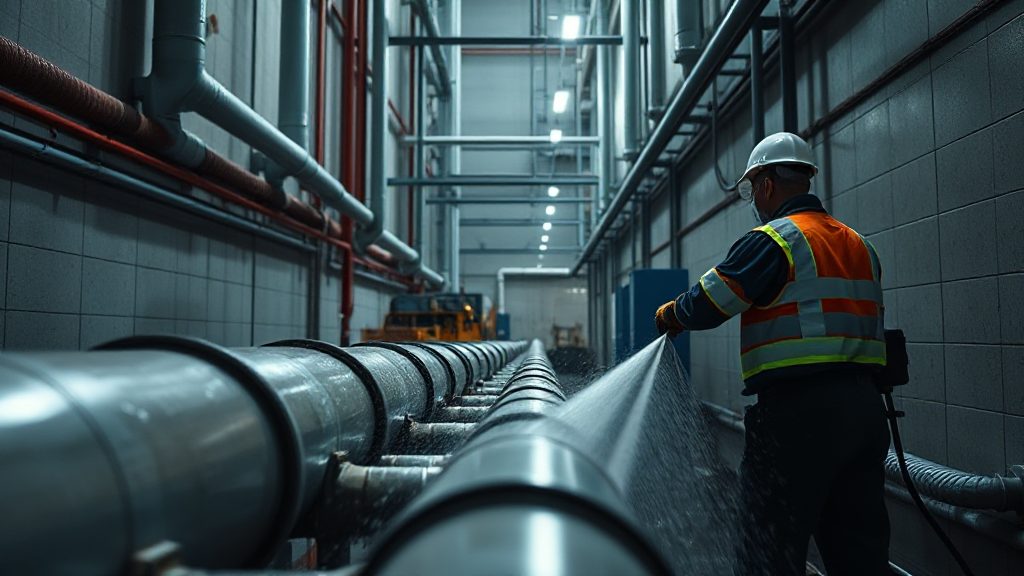
When One Stack Serves Everyone: A Campo Limpo Building’s Coordination Protocol
It starts with a gurgle in the kitchen sink of apartment 2, then a slow drain in the shower of apartment 4, and by evening the ground-floor unit has water backing up around the floor drain. In a Campo Limpo low-rise where one vertical stack serves several units, a single blockage can look like three separate problems. Neighbors knock on each other’s doors, each convinced the fault is next door. The fastest way out is not a solo call to a plumber but a shared protocol, and that protocol begins with recognizing that the stack is common property.
This is the situation where a desentupidora Capão Redondo team is usually called in after the building has already wasted a day on guesswork. The goal of the protocol below is to skip the guesswork: coordinate the diagnosis, agree on access, and treat the stack as one system instead of four isolated drains.
Why a Single Stack Turns Four Apartments into One System
In most small buildings in Campo Limpo, the kitchen and bathroom fixtures of every unit feed into a shared vertical pipe, often called a stack or prumada. Gravity carries waste down, and the stack connects to a horizontal building drain before it reaches the street. When that shared section clogs, the backup does not respect apartment boundaries. The lowest fixture becomes the first place water appears, which is why the ground floor usually notices first.
A blockage high in the stack may only affect the upper units. A blockage at the base affects everyone. This is why three simultaneous backups are a strong signal of a shared obstruction rather than three coincidental local clogs. The location of the backup tells you more than the number of apartments affected.
Signs that the problem is in the shared stack
- Multiple units report slow drains within the same day.
- Water backs up in the lowest fixture first, then rises as more units use water.
- Gurgling sounds come from drains in units that are not currently using water.
- Odors appear in several apartments at once, especially near floor drains.
If two or more of these signs appear together, stop treating the issue as a private plumbing problem. It is a building-level event, and the next step is coordination, not a solo repair.
The Coordination Protocol: Eight Steps from First Gurgle to Final Flush
The protocol works because it assigns a role to each neighbor and keeps the building from making the same call four times. Follow the steps in order. Skipping ahead usually means paying for a second visit.
- Designate one point of contact. The resident who noticed first becomes the coordinator for the day. All observations funnel through that person so the technician receives one clear report instead of four conflicting ones.
- Stop water use in affected units. Every flush and every load of laundry adds volume to a blocked stack. A short pause on water use prevents overflow into lower units and reduces cleanup later.
- Record what each unit sees. Note which fixture backs up, whether the water is clear or dark, and whether there is a smell. These details help the technician distinguish a grease clog from a root intrusion or a collapsed section.
- Check the building’s shared access points. Locate the cleanout or inspection cover, usually near the base of the stack or in a service area. Confirm it is reachable and not buried under stored items.
- Call a specialist who handles shared stacks. A team experienced with multi-unit buildings can assess the whole line, not just one apartment. This is the moment to contact a desentupidora Capão Redondo São Paulo SP service and describe the pattern of backups.
- Arrange access for every affected unit. The technician may need to enter more than one apartment to test fixtures and confirm the blockage is cleared. Have keys or residents available at the agreed time.
- Agree on who authorizes the work. In a small building without a formal manager, decide in advance whether the coordinator can approve the service or whether the group must confirm costs first. Ambiguity here is the most common cause of delay.
- Test together after the service. Run water in the upper units first, then the lower ones, and watch the ground-floor fixture. A coordinated test confirms the stack is clear before anyone relaxes.
Each step is short, but together they turn a chaotic morning into a managed response. The coordinator role is the single most important element, because it prevents duplicated calls and contradictory instructions.
What to Avoid While the Stack Is Blocked
Most damage during a shared-stack backup comes from well-intentioned improvisation. Avoid these moves, which are common in small buildings where neighbors want to help.
- Do not pour chemical drain cleaners into multiple units. Caustic products can damage older pipes and create a hazard for the technician who opens the line later.
- Do not keep using water “to see if it clears.” Each attempt adds pressure and can push waste into the lowest apartment.
- Do not open the cleanout without preparation. A pressurized stack can release a surge of wastewater. Leave the cover to the technician.
- Do not hire separate plumbers for each apartment. Four independent visits cost more and may each treat only a branch, leaving the shared blockage in place.
- Do not blame a specific neighbor before diagnosis. The blockage is often in the common section, and premature accusations make cooperation harder when access is needed.
These cautions matter most in older low-rises, where pipe materials vary and a single wrong product can turn a clog into a repair. When in doubt, wait for the specialist rather than experiment.
Dividing Responsibility and Cost Fairly in a Small Building
Money is where coordination usually breaks down. A shared stack serves everyone, so the cost of clearing a shared blockage is logically shared. The practical question is how to divide it without a formal condominium structure.
A simple approach is to separate the diagnosis from the repair. The diagnostic visit establishes where the blockage sits. If it is in the common stack, the cost is divided among the units connected to it. If it is inside one apartment’s branch, that unit covers the work. Basing the split on the technician’s finding, not on who called first, keeps the decision neutral.
| Situation | Who typically pays |
|---|---|
| Blockage in the shared vertical stack | All units connected to the stack, divided equally or by unit count |
| Blockage in one unit’s branch line | The unit where the branch is located |
| Blockage at the building drain or cleanout | All units, treated as common infrastructure |
| Preventive maintenance of the stack | Shared, agreed in advance |
Write the agreement down, even informally, and keep it with the building’s shared documents. A short record of what was decided prevents the same argument at the next blockage.
Preventing the Next Backup Before It Starts
Once the stack is clear, the building has a window of opportunity. Most shared-stack blockages build slowly from grease, soap residue, hair, and occasional foreign objects. A modest preventive routine reduces how often the building repeats this protocol.
Agree on what should never go down any drain: cooking oil, coffee grounds, wipes labeled flushable, and food scraps. Place a small strainer in every kitchen sink, and remind new residents during move-in. For the stack itself, schedule a periodic inspection or hydrojetting service rather than waiting for the next emergency. A desentupidora em Capão Redondo São Paulo SP team can assess the condition of the line and recommend an interval based on the building’s age and usage.
Keep a one-page building sheet with the cleanout location, the coordinator rotation, and the contact for service. When the next gurgle arrives, the building will not start from zero. Prevention is cheaper than a coordinated emergency, and far cheaper than four separate ones.
Keeping the Protocol Alive Between Emergencies
A protocol written during a crisis tends to be forgotten once the water drains. To keep it useful, review it once a year, update the coordinator list, and confirm that the cleanout is still accessible. New residents should receive the one-page sheet when they move in, not after their first backup.
The value of the protocol is not paperwork. It is the shared understanding that one stack serves everyone, that the lowest apartment is often the messenger rather than the cause, and that a single coordinated call produces a faster, fairer result than four separate ones. In a Campo Limpo low-rise, that understanding is the real infrastructure.








Leave a Reply